3D Spacer Mesh vs. Foam: A Manufacturer’s Guide to Cushioning Materials
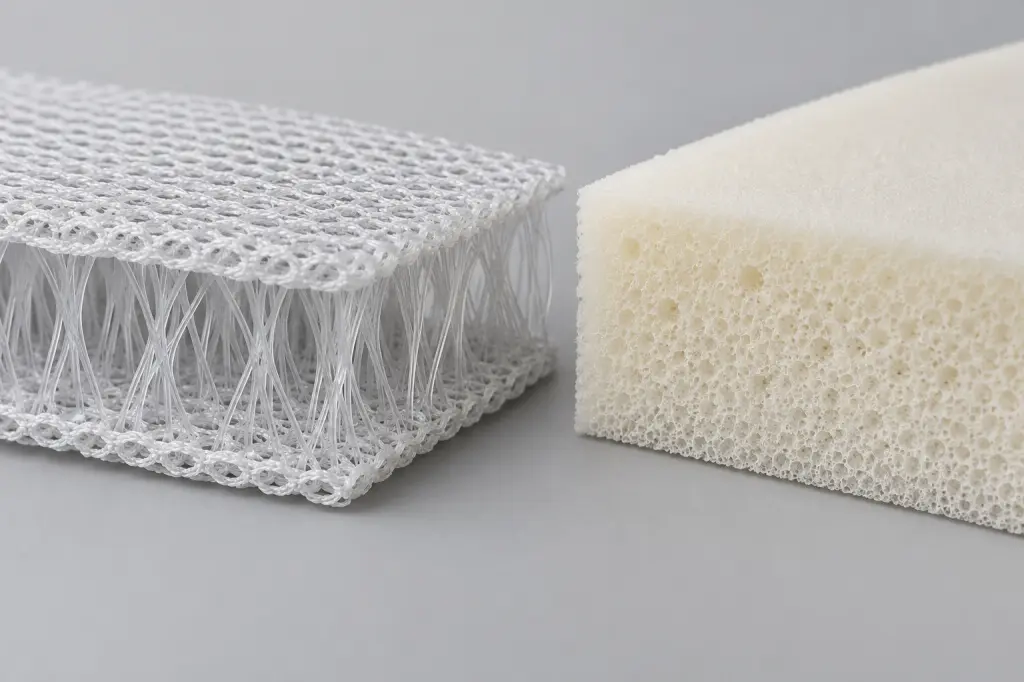
When developing cushions, mattresses, seat pads, or outdoor products, choosing the right cushioning material is an important decision.
Two common options are 3D spacer mesh fabric and polyurethane (PU) foam.
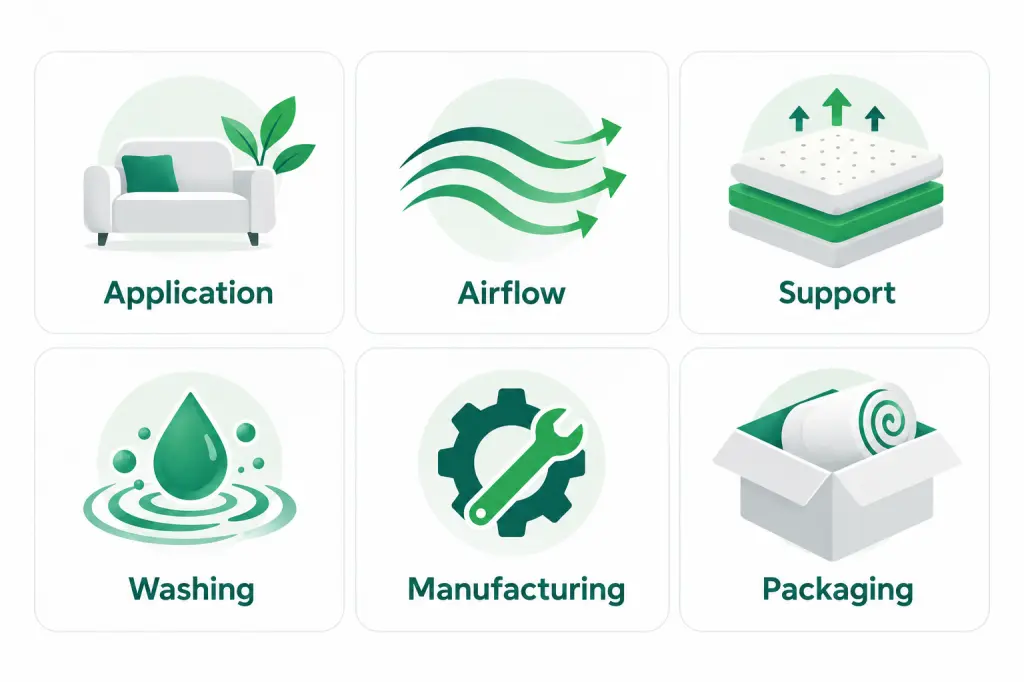
Both materials provide cushioning, but they perform differently in airflow, support, washing, manufacturing, and packaging.
At Mefiss, we manufacture 3D mesh fabrics and customized textile products. Based on our production experience, the best material depends on where and how the finished product will be used.
This guide compares the two materials and helps B2B buyers make practical decisions.
1|What Is the Difference Between 3D Spacer Mesh and Foam?
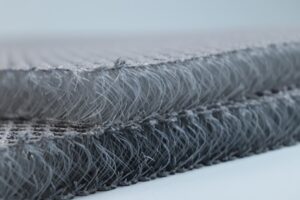
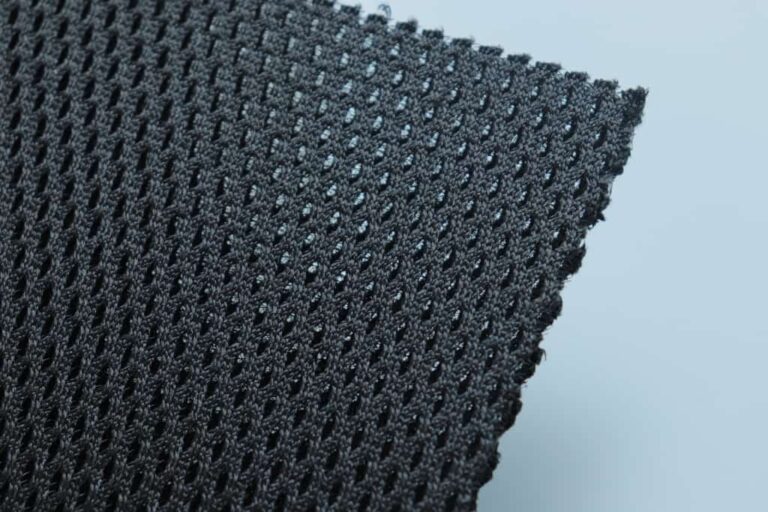
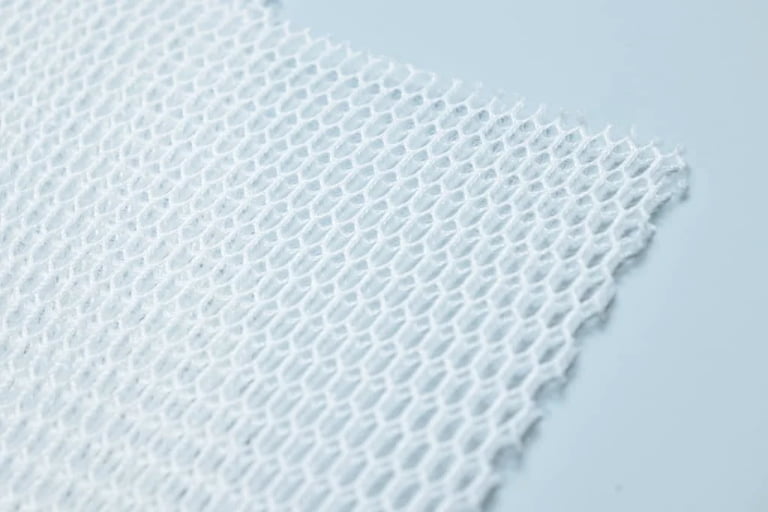
3D spacer mesh is a knitted textile made with two outer fabric layers connected by yarns in the middle.
These connecting yarns create thickness, air channels, and cushioning support.
PU foam is a cellular material available in different densities, firmness levels, and thicknesses. It is widely used in mattresses, furniture, pillows, and seating.
The main differences are:
| Feature | 3D Spacer Mesh | PU Foam |
|---|---|---|
| Structure | Connected textile layers | Cellular structure |
| Airflow | Open ventilation channels | Depends on cell structure |
| Support | Controlled by connecting yarns | Controlled by foam formulation |
| Washing | Many structures allow water drainage | Depends on foam type |
| Drying | Open structures can dry faster | Thick foam may dry slowly |
| Processing | Requires careful cutting and sewing | Often simpler to process |
| Packaging | Thick mesh can be difficult to compress | Some foams can be rolled or compressed |
| Cost | Depends on structure and processing | Many economical options |
Key Takeaway: Neither material is automatically better. Each has advantages for specific applications.
Explore our Spacer Mesh Fabric to see different knitted cushioning structures.
2|Breathability: Why Mesh Structure Matters
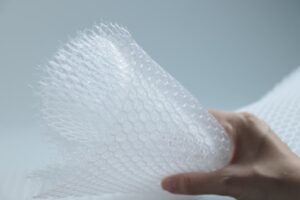
Breathability is one of the main reasons manufacturers consider 3D spacer mesh.
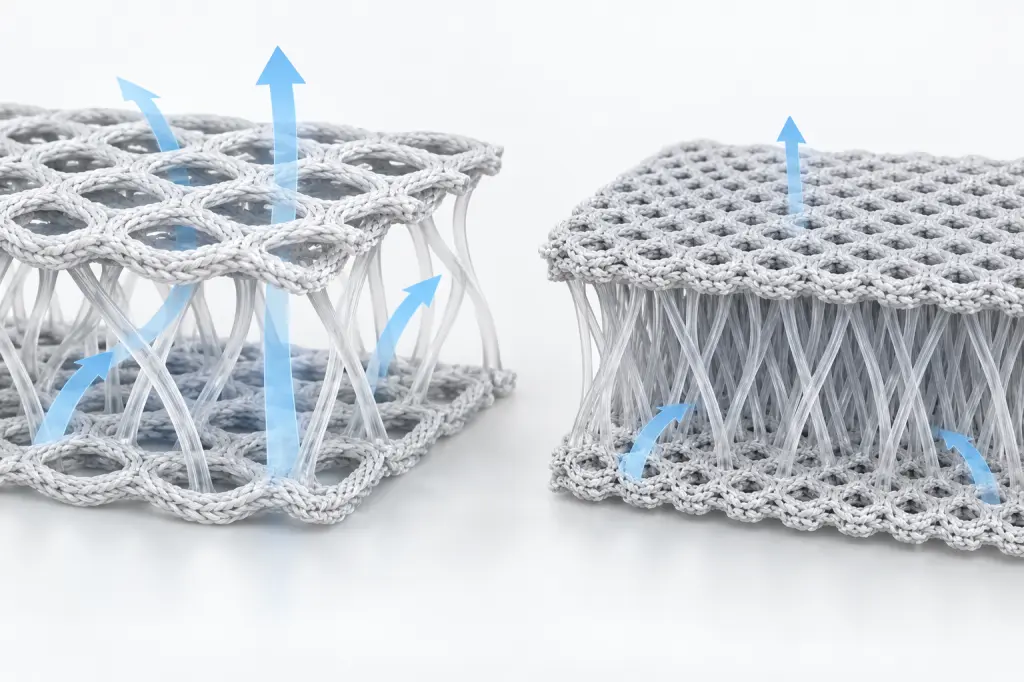
However, larger mesh openings do not always mean better overall airflow.
From our manufacturing experience, three factors are especially important.
2.1|Fabric Thickness
Thickness affects the space between the two outer fabric surfaces.
However, thicker mesh does not automatically provide better ventilation.
2.2|Surface Mesh Opening Size
Larger openings generally allow air to enter and leave the fabric more easily. Smaller openings may restrict airflow.
2.3|Connecting Yarn Density
Connecting yarns provide support, but a dense internal structure can also reduce the space available for air movement.
2.4|Mefiss Manufacturing Insight
We often find that mesh fabrics with small surface openings and densely packed connecting yarns have lower air permeability than more open structures.
There is another important factor: the outer cover.
A cushion may contain highly breathable 3D mesh, but if its cover has low air permeability, the finished cushion may still have poor ventilation.
This is why we recommend evaluating the complete product, not only the inner material.
For objective material comparisons, buyers can refer to ISO 9237:1995 — Determination of the Permeability of Fabrics to Air, which describes a standardized method for measuring fabric air permeability.
3|Cushioning and Support: Why Two 10mm Mesh Fabrics Can Feel Different
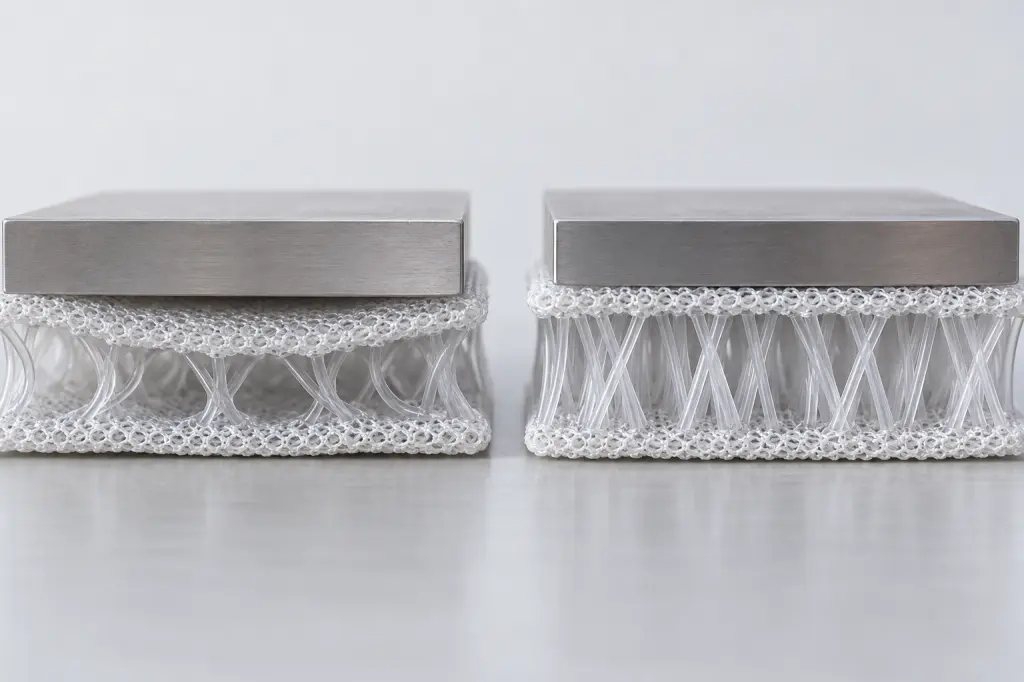
Two 3D mesh fabrics with the same thickness can provide very different support.
Based on our production experience, two important factors are:
3.1|Number of Connecting Yarns
A higher number of connecting yarns can increase compression resistance, depending on the fabric construction.
3.2|Monofilament Diameter
Thicker connecting monofilaments generally resist bending more strongly, while thinner monofilaments can create a softer feel.
For example, one 10mm fabric may feel soft and flexible, while another 10mm fabric with thicker and denser connecting yarns may provide much firmer support.
Foam works differently. Its cushioning performance depends on formulation, density, firmness, and cell structure.
Foam density and firmness are also different properties. Higher density does not automatically mean greater firmness.
3.3|Mefiss Manufacturing Insight
We do not recommend selecting spacer mesh based on thickness alone.
Buyers should compare actual samples and, when necessary, compression resistance and recovery test results.
For foam evaluation, ASTM D3574 — Standard Test Methods for Flexible Cellular Materials provides standardized methods for evaluating flexible polyurethane foam properties.
You can also explore our 3D Mesh Fabric for different thicknesses and supporting structures.
4|Washing and Moisture: When 3D Mesh Has an Advantage
One of the clearest differences appears in wet or humid environments.
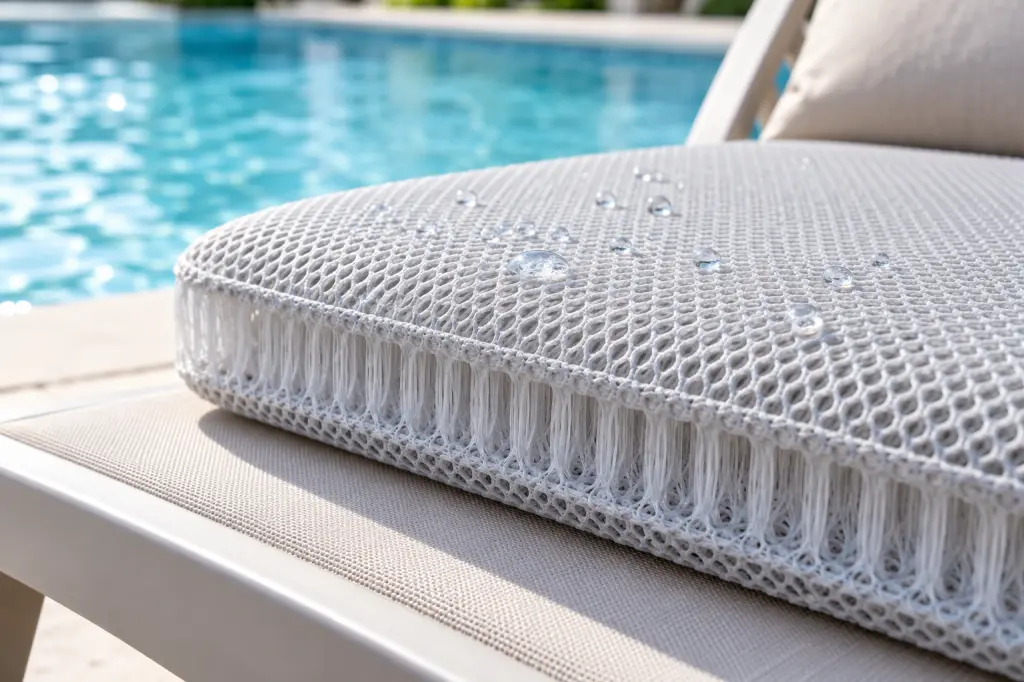
For products used around swimming pools, bathtubs, and saunas, we often recommend evaluating suitable 3D mesh structures first.
These products may require:
- Frequent rinsing or washing
- Good water drainage
- Fast drying
- Resistance to humid conditions
- Suitable performance at the expected operating temperature
The open structure of 3D mesh can help water drain and allow air to circulate during drying.
Conventional thick foam may retain more water and take longer to dry. However, some specialized foams are also designed for wet environments.
4.1|Mefiss Manufacturing Insight
When a customer develops a cushion for a bathtub, swimming pool, or sauna, our first concern is not simply softness.
We also consider how often the product becomes wet, how it will be cleaned, and how quickly it must dry.
For these applications, suitable 3D mesh can offer practical advantages.
Important: Not all 3D mesh materials are suitable for high-temperature environments.
For sauna products, yarn materials, finishing treatments, dimensional stability, and long-term performance must be tested at the expected temperature.
Breathability alone does not prove heat resistance.
5|Manufacturing Challenges: Why 3D Mesh Can Be More Difficult to Process
Material performance is only part of product development.
Manufacturers must also consider cutting, sewing, dimensional stability, and production cost.
5.1|Cutting and Loose Fiber Ends
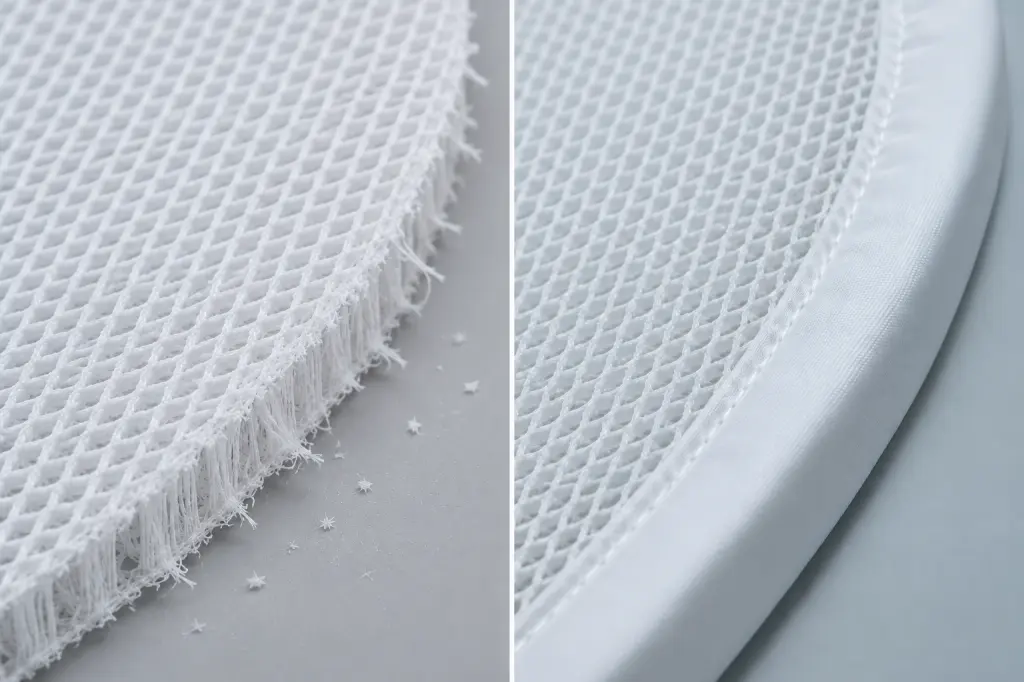
Cutting thick 3D spacer mesh can produce loose monofilament fragments and sharp fiber ends.
If these are not properly removed or covered, they may cause skin discomfort or irritation.
Suitable cutting, cleaning, and edge-finishing methods are important, especially for products that touch the skin.
5.2|Directional Stretch
3D mesh may stretch differently in its length and width directions.
During cutting and sewing, this can affect finished-product dimensions.
Manufacturers must control cutting direction, sewing tension, and dimensional stability.
5.3|Sewing Thick Materials
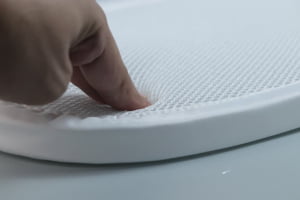
Thick 3D mesh may require specialized sewing equipment and suitable construction methods to achieve clean edges and an attractive finished appearance.
5.4|Why Foam Can Be Simpler
Foam cores are often relatively easy to cut into shape.
For many cushions, a foam core can simply be inserted into a thin fabric cover.
This can reduce manufacturing complexity.
5.5|Mefiss Manufacturing Insight
Buyers should compare the total finished-product cost, not only the cushioning material price.
For thick 3D mesh products, cutting waste, edge finishing, sewing equipment, and assembly time can affect the final cost.
A material with better technical features is not always the most economical choice.
Learn more about our Mesh Processing options for customized fabric projects.
6|Packaging: When Foam May Be the Better Choice
For lightweight and temporary outdoor products, packaging can be a major consideration.
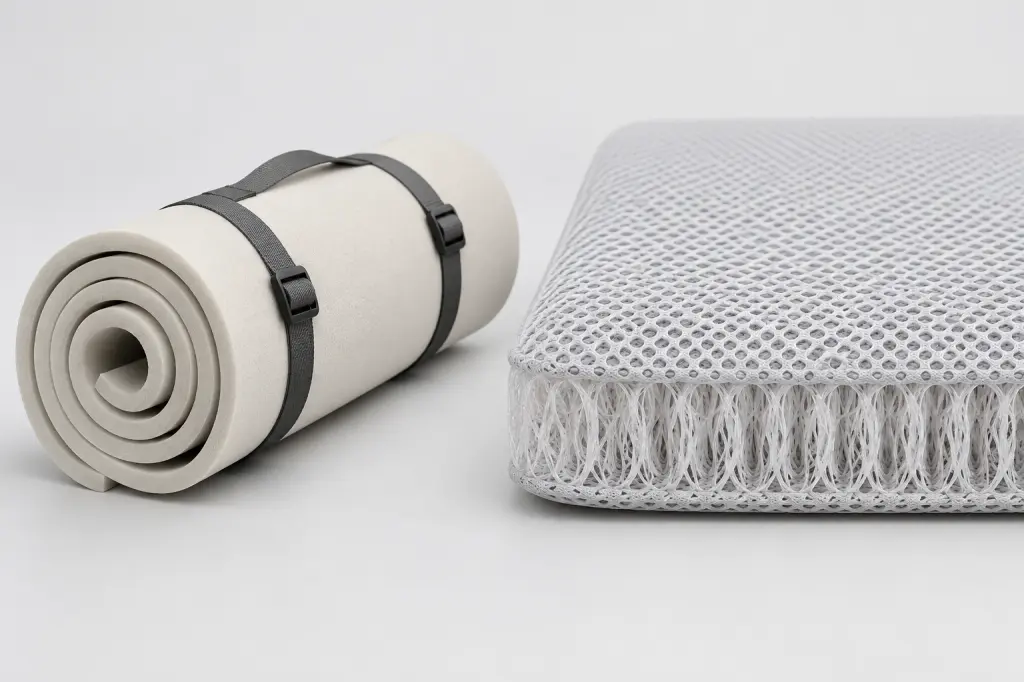
Some foam materials can be rolled or compressed into smaller packages, making storage and transportation easier.
Thick 3D mesh structures may be more difficult to compress while maintaining their original thickness and recovery.
6.1|Mefiss Manufacturing Insight
For temporary outdoor mats that need to be rolled, compressed, or packed into small spaces, we often consider suitable foam first.
If the product does not require frequent washing, high airflow, or special moisture resistance, foam may provide sufficient cushioning at a lower total cost.
However, not every foam is suitable for repeated compression. Packaging performance should be confirmed through testing.
7|Which Material Is Better for Different Applications?
Different applications require different cushioning solutions.
| Application | Material to Evaluate First | Main Reason |
|---|---|---|
| Sauna bench cushion | Suitable 3D mesh | Drainage and ventilation; heat testing required |
| Poolside cushion | Suitable 3D mesh | Frequent moisture exposure |
| Bathtub support mat | Suitable 3D mesh | Water drainage and drying |
| Rollable outdoor mat | Suitable foam | Compact packing and simple construction |
| Mattress side panel | Spacer mesh | Ventilation and textile flexibility |
| Thick seat cushion | Foam or hybrid | Cushioning thickness and support |
| Washable pet mat | Suitable 3D mesh | Cleaning and drainage |
| Shaped pillow core | Foam | Contour and firmness control |
In some products, combining both materials is a practical solution.
For example, a seat cushion may use a breathable spacer mesh layer above a supportive foam core.
However, the outer cover and other layers must also allow the intended airflow.
For products that touch the skin, buyers should also consider material safety requirements. OEKO-TEX STANDARD 100 provides information about testing textiles for harmful substances.
This certification does not replace application-specific performance or safety testing.
Explore more Cushioning Applications to understand how different mesh structures can be used in finished products.
8|B2B Buyer’s Material Selection Checklist
Before choosing spacer mesh or foam, we recommend confirming the following information.
| Requirement | What Buyers Should Confirm |
|---|---|
| Application | Where and how will the product be used? |
| Environment | Water, humidity, heat, or normal indoor use? |
| Thickness | Required material and product thickness |
| Support | Soft, medium, or firm |
| Airflow | Is high ventilation necessary? |
| Washing | How often will the product be cleaned? |
| Durability | Will it experience repeated compression? |
| Processing | Cutting, sewing, lamination, or molding? |
| Packaging | Must it be rolled or compressed? |
| Budget | Target finished-product cost |
| Testing | Required performance or compliance standards |
8.1|Mefiss Manufacturing Insight: Start With the Application
When customers ask us whether to use 3D spacer mesh or foam, our first question is usually:
Where and how will the finished product be used?
If a product needs frequent washing, drainage, and ventilation, suitable 3D mesh is often worth considering.
If it needs simple cushioning, easy packaging, and competitive pricing without demanding ventilation requirements, conventional foam may be sufficient.
Key Takeaway: Choose materials by function, not appearance alone.
9|How Mefiss Supports Cushioning Product Development
Mefiss supports B2B customers with both cushioning materials and finished textile products.
Mefiss Textile manufactures spacer mesh and 3D mesh fabrics with different thicknesses, mesh structures, and support characteristics.
Mefiss Hometex develops and manufactures customized sewn products, including pillows, cushions, mats, and other textile products.
Depending on the project, we can help customers:
- Compare suitable cushioning materials
- Review thickness and support requirements
- Develop multi-material constructions
- Prepare samples for evaluation
- Discuss cutting and sewing solutions
- Arrange relevant third-party testing when required
Customers can share drawings, samples, dimensions, material requirements, and expected order quantities for evaluation.
Learn more about Mefiss Hometex and our customized finished-product manufacturing services.
Frequently Asked Questions
Can 3D spacer mesh replace foam completely?
Yes, in some applications. However, the material must meet the product’s support, comfort, thickness, and durability requirements. Foam may remain more suitable for thicker or shaped cushioning products.
Is thicker 3D mesh always more supportive?
No. Connecting yarn density and monofilament diameter are important factors. Two fabrics with the same thickness may have very different firmness and compression recovery.
Is 3D mesh better for washable cushions?
Suitable open mesh structures can offer advantages in drainage and drying. However, washing stability and environmental resistance must be confirmed for the selected material and finished product.
Which material is more economical?
Foam is often economical for simple cushioning products. Thick 3D mesh may require more complex cutting and sewing. Buyers should compare total manufacturing and packaging costs.
Conclusion
3D spacer mesh and PU foam are both useful cushioning materials, but they solve different problems.
Choose suitable 3D mesh when airflow, drainage, and frequent washing are important.
Choose suitable foam when simple construction, compact packaging, and cost efficiency matter more.
For products requiring both ventilation and substantial cushioning, combining the two materials may provide a practical solution.
At Mefiss, we believe material selection should begin with the actual application, not simply the material’s appearance.
Developing a New Cushioning Product?
Contact Mefiss with your application, thickness, firmness, dimensions, washing requirements, and expected order quantity. We can help you review suitable materials and manufacturing options.
Contact Mefiss to discuss your material requirements and request suitable samples.
Tags
Leave a Reply